Skip to content

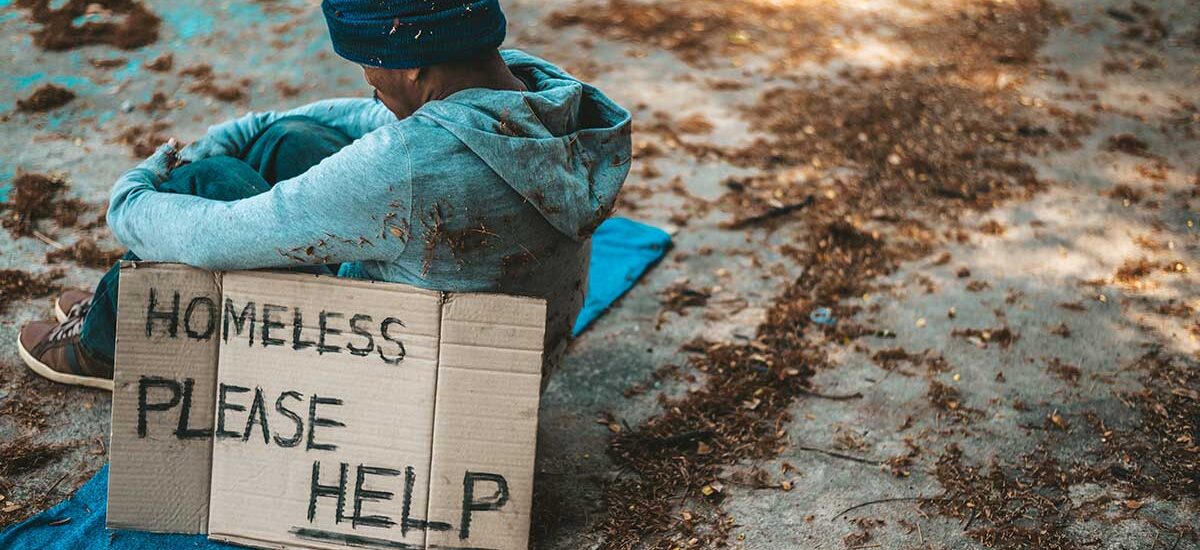
Take a moment to look around any community. You’ll see strength, resilience, and kindness, but you’ll also notice challenges that often go unspoken. Issues like poverty, violence, substance abuse, inequality, and social exclusion don’t appear out of nowhere. They grow when support systems weaken and when people feel unheard or left behind.
The truth is, many of these social disasters are preventable.
When people lack access to education, employment, or basic services, the effects ripple outward. Families struggle to stay afloat, young people lose direction, and communities begin to fracture. Over time, these struggles become normalised, even though they shouldn’t be. What starts as a small gap in opportunity can turn into a long-term crisis if it’s ignored.
This is why education and awareness matter so much. Education isn’t just about classrooms and textbooks (nope!) it’s about giving people the tools to make informed choices and the confidence to build better futures. Awareness helps communities recognise problems early, before they escalate into something harder to undo.
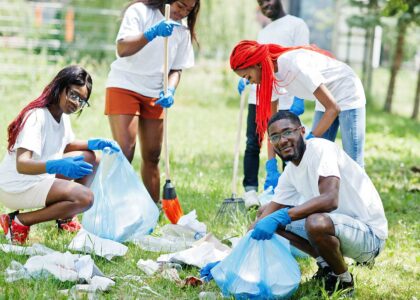
Strong communities also make a powerful difference. When people feel connected, supported, and valued, they’re far less likely to fall into cycles of harm. Community-led programs that focus on youth development, skills training, mental health, and women’s empowerment.
By working closely with communities, NGOs help connect people to resources, opportunities, and support systems. But real change doesn’t happen in isolation. It happens when individuals choose to get involved by volunteering, donating, sharing knowledge, or simply caring enough to act.
Decreasing social disasters isn’t about quick fixes or temporary relief. It’s about commitment, collaboration, and choosing prevention over reaction.